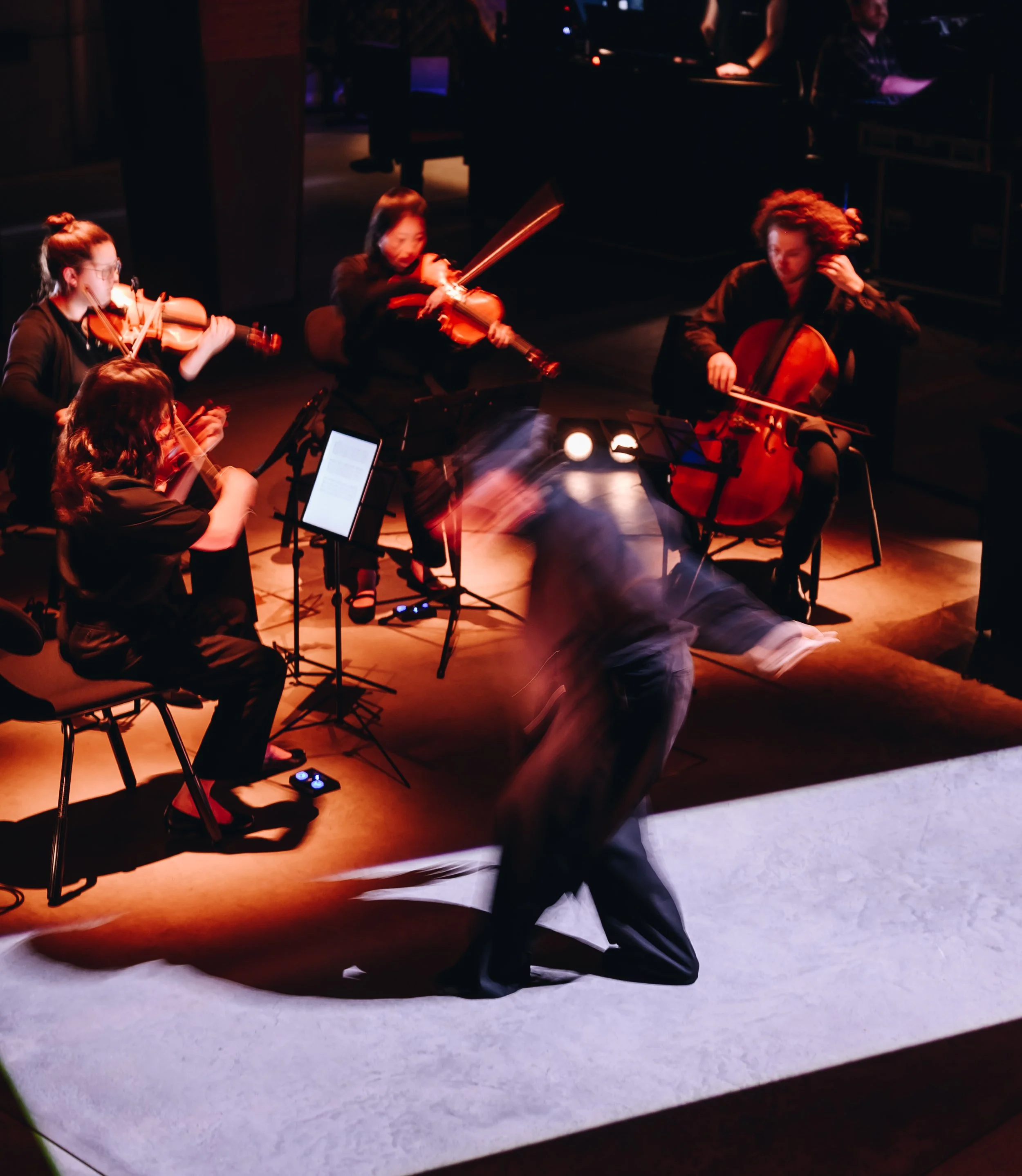
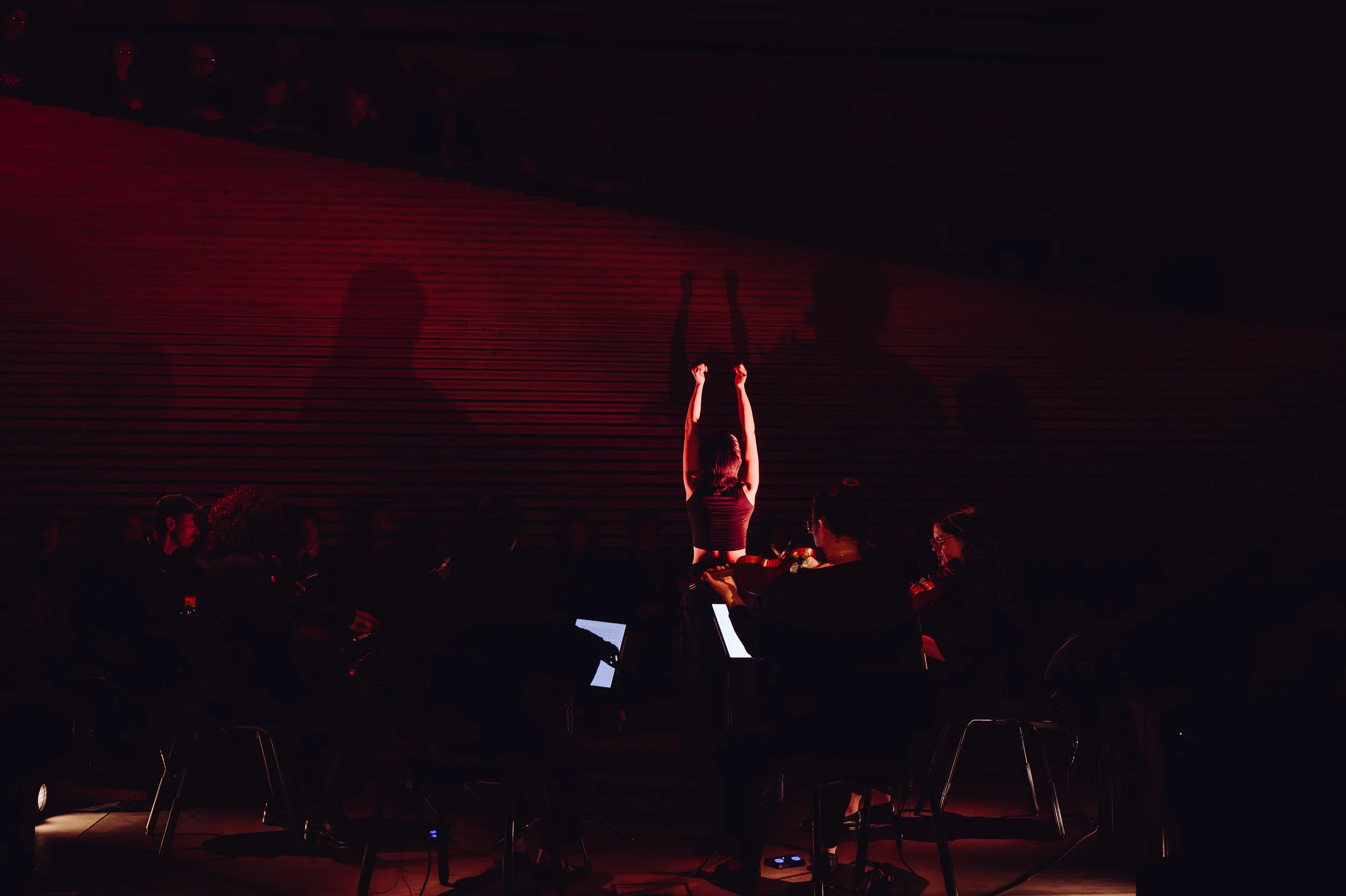
Callum Mintzis is a composer, performer, educator, psychotherapist and writer.
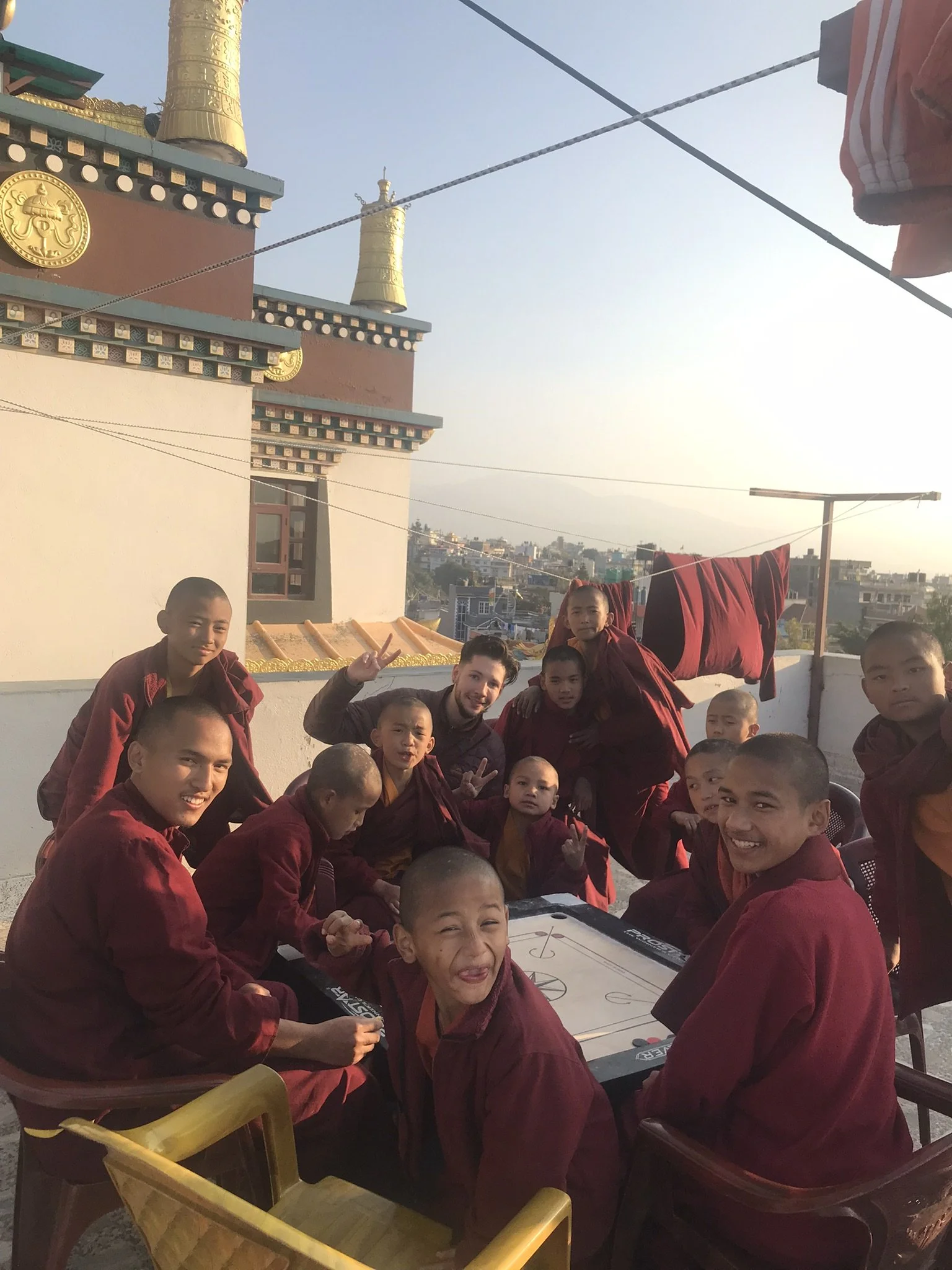
His work is informed by a deep love for the world around him, and the people in it. He considers his longstanding meditation practice, of which he begun at the age of seven, as foundational to his outlook on life. Informed by the principles of Tibetan Buddhism, Zen, Taoism and other wisdom traditions, he values love and interconnectedness. He humbly recognises the necessity of human suffering as an avenue to better understanding the world, and perpetually regards himself as a beginner - a student who does not wish to preach or assert. He believes his teachers to be everyone and everything, from the trees and birds to brief interactions with passing strangers.
He is also the custodian of Lim Meng Sing (Peter Lim), PhD, a poet and writer whose work has deeply explored the principles of Zen, Taoism and living from the heart.
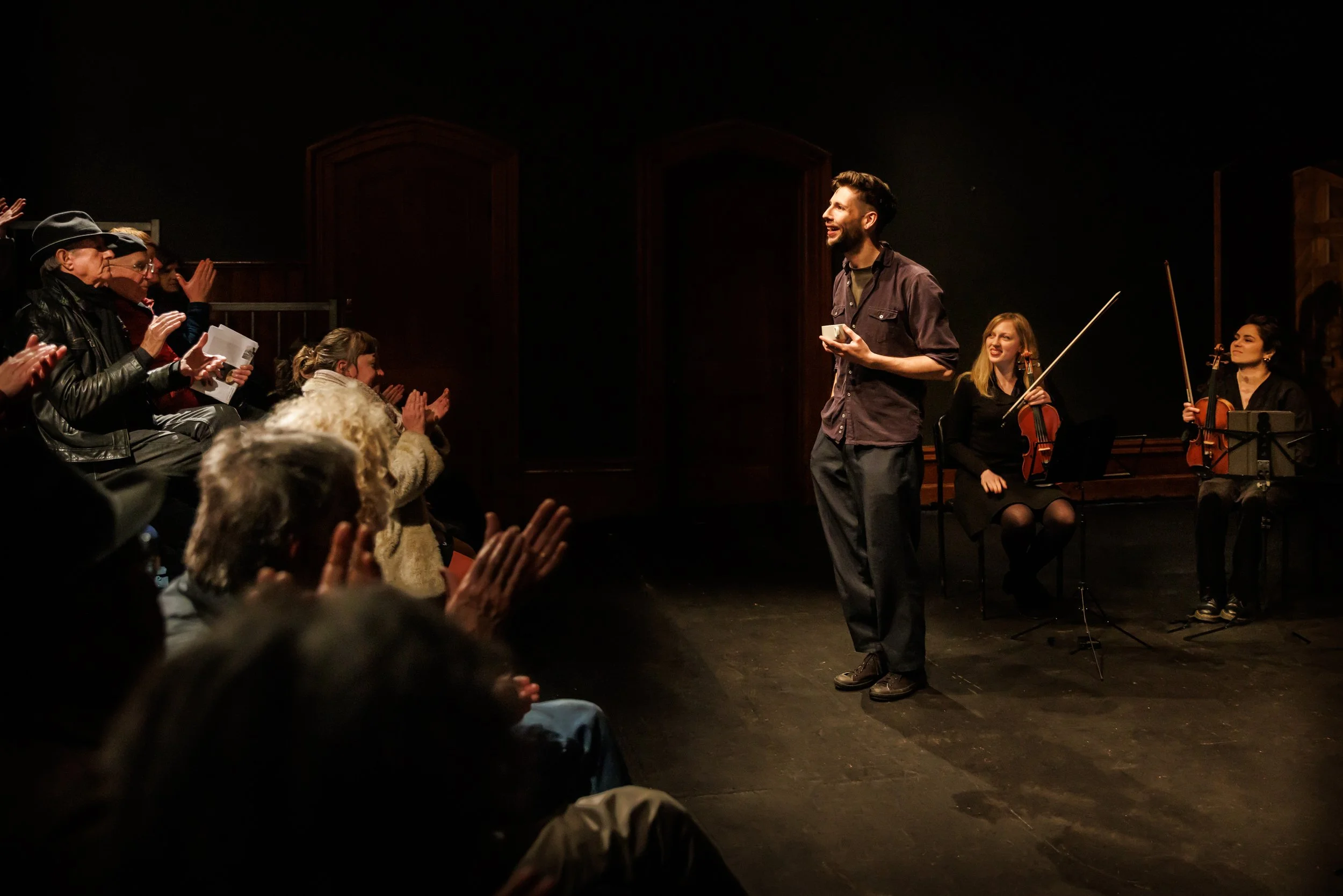
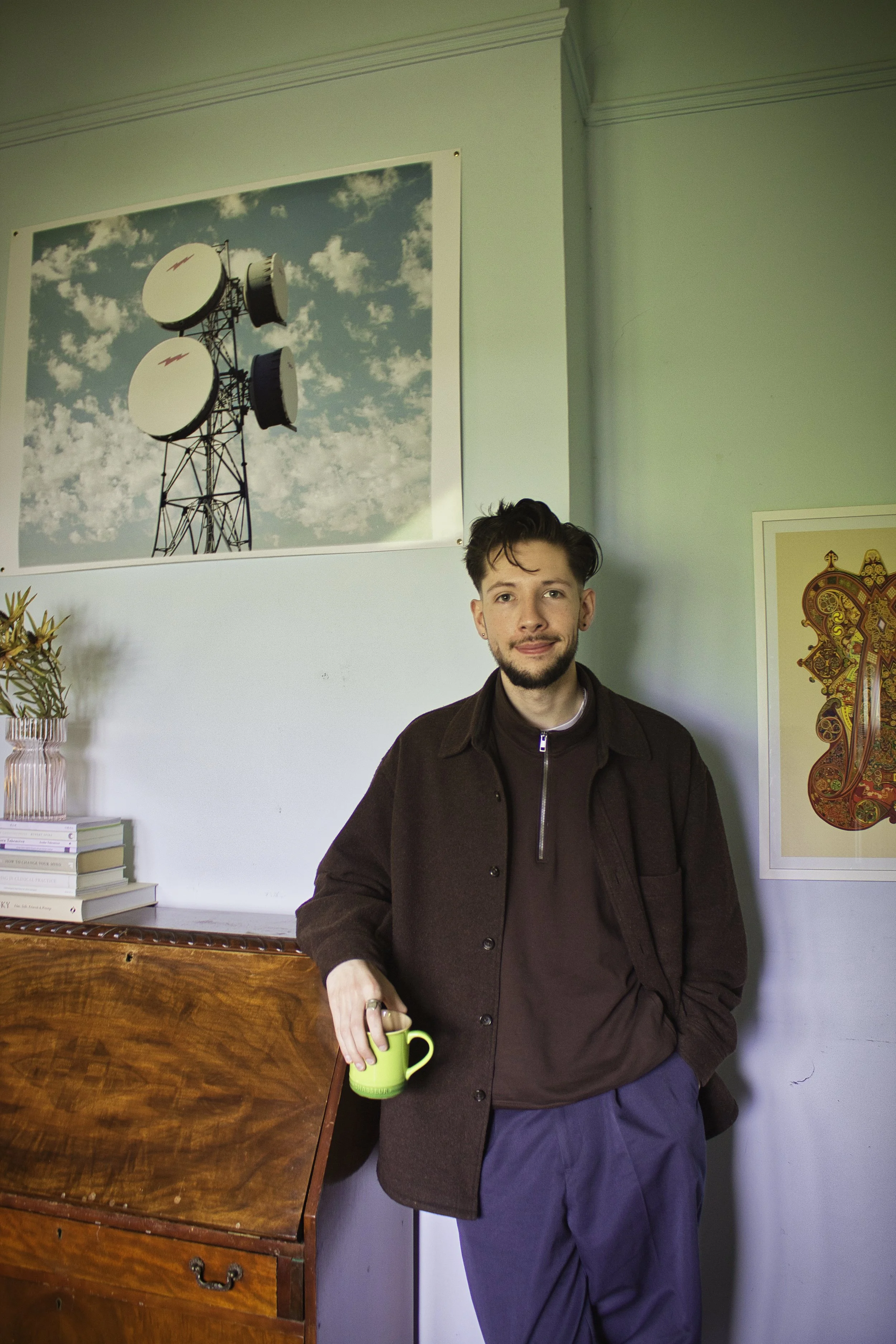
Callum grew up in Melbourne, Australia, on the stolen lands of the Wurundjeri Woi Wurrung. At a very young age, he developed an interest in meditation. As a child, he routinely asked himself questions such as “Who am I?” and “What is it to be alive?” He felt very connected to nature, the animals, and something much bigger than himself. During this time, he decided he wanted to be a writer, pledging to have as many experiences as possible. He felt that he could only write if he had actually experienced what the characters he wrote about had. This commitment, he believes, opened him up to the richness of the world.
Moving into his teens, Callum became interested in music and philosophy. He was fascinated with Zen, Taoism, and Tibetan Buddhism - most notably through the work of Alan Watts. Shortly after, several painful life experiences fractured many of the assumptions he had about the world. Yet within this period of suffering, he encountered a profound sense of universality - an experience of love expressed through, and sometimes disguised as, pain. Callum views each aspect of his work as an outlet for exploring and sharing this.
Trombone
Inspired by musical heritage, Callum began playing trombone at the age of 12. A keen student of James Macaulay, he fell in love with early jazz. His grandfather, John McKinnon, played accordion and saxophone in dance bands all his life, never learning to read music. This, Callum believes, is why music feels so familiar.
At sixteen, Callum was invited to perform with the Monash Art Ensemble as its youngest member. By nineteen, he was performing regularly with Australian jazz luminary Andrea Keller, and by twenty had performed with GRAMMY nominated and winning artists Vijay Iyer, Linda Oh, Ambrose Akinmusire and Terri Lyne Carrington - Akinmusire describing Mintzis’s playing as "extremely unique" and "unlike any trombonist he'd ever heard."
Callum’s music has received critical acclaim by publications and organisations such as The Age, Sydney Morning Herald, ABC, PBS and APRA AMCOS, and has been commissioned by the City of Melbourne, ASTRA Chamber Music Society, La Mama Theatre and Melbourne University. Callum has also performed with the Australian Art Orchestra, Melbourne Symphony Orchestra, and regularly performs around Melbourne. He currently teaches trombone at Monash University.
His love for early swing music and his grandfather’s legacy culminates in Callum’s Codgers, a project featuring the rotating cast of Steve Grant, Tamara Murphy, Robbie Finch, Sam O’Halloran and Maddison Carter. Callum also leads a new quartet with Helen Svoboda, Joe O’Connor and Chloe Kim. The group’s first album, Oraison, will be released in late 2026.
Composition
Callum’s interest in composition was also born of his time studying with James Macaulay. It offered him a chance to reflect, investigate and nurture ideas at their own rate. This practice became a surrogate for his early love for writing - an opportunity to be imaginative, intuitive and introspective. Callum’s music often appreciates slowness, silence, colour and the necessity of both consonance and dissonance as mutually inclusive. He thinks of these aspects of music as analogies to human suffering and love - each can be seen as contained within the other. He has been heavily influenced by Japanese composers Tōru Takemitsu and Ryuichi Sakamoto, and Olivier Messiaen.
As he reflects on past work and develops new material, Callum is learning more about his approach to composing. Namely, that despite an understanding music is not “about” something (it is there to be experienced), his work often is, somehow about something. Callum’s awareness of his work’s identity often forms throughout its creation, and also after its completion. He has come to understand this aspect of his music through the work of Eugene Gendlin, an Austrian‑born American philosopher and psychotherapist who wrote extensively about the felt sense. Interestingly, the narrative or ‘message’ of his work is consistent. Callum continues to explore and articulate this aspect of composition as he creates new work.

Psychotherapy
Callum has recently completed his Master of Counselling & Psychotherapy at the Cairnmillar Institute. His interest in psychotherapy emerged in his reckoning with experiences of heartbreak. His first placement was at Doncare Family Violence Clinic, where he worked with victim-survivors of domestic abuse. He completed his second placement at Mingary-Cairnmillar on Collins Street, Melbourne CBD. He will begin working in private practice from 2027.
Callum’s approach to psychotherapy is greatly influenced by the person-centered values of Carl Rogers, while drawing on the theory and practices of Eugene Gendlin, John Welwood and others. Overall, Callum is humanistic in his approach, while drawing influences from his longstanding meditation practice and the growing body of research into the science of flourishing. Callum sees psychotherapy as a direct way of helping others in his pursuit of love and interconnectedness.
Other
Much less seriously, Callum enjoys taking photographs, writing poetry and essays, travelling, playing piano and synthesizer, singing, and spending time in nature. He has also been commisioned to write program notes and lyrics. He truly enjoys the delights of these activities, however unseriously. He is most grateful for his family and friends, of which he is indebted to for their immensity in support, love and care.